


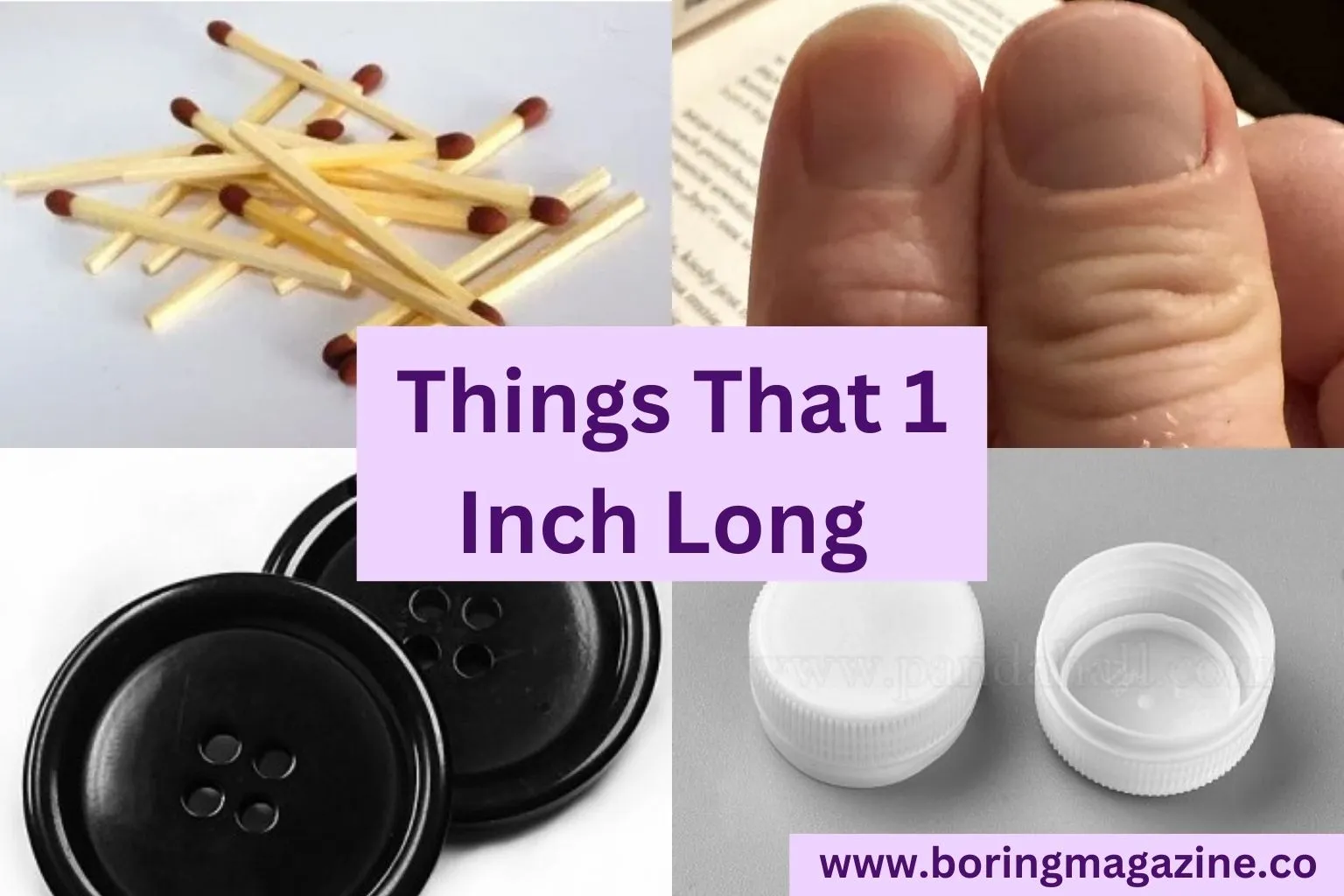
So, how long is 1 inch?
In mathematics, 1 inch = 2.54 centimeters = 25.4 millimeters. That’s simple enough in wording, but tough to imagine in your head, especially for people who are not much of a number lover.
Many of you may struggle to visualize what 1 inch looks like without a measuring tape or a ruler. You can still see this miniature length everywhere around you, while doing regular home chores, shopping online, sewing, doing school projects, or simply wondering if a gadget will fit on a desk.
This post provides the clearest real-world outlook on how big 1 inch really is, using real-world examples like body parts, coins, and common household items. You’ll also learn easy ways to measure 1 inch without tools and where it’s helpful in your daily life.
After you learn how long 1 inch actually is, it’ll be easier to imagine somewhat larger measurements, such as 1.5 inches, which is a bit longer than a coin’s width, or 2 inches, around the size of an average key.
What Does 1 Inch Look Like?
Take your hand in front of you and observe your thumb. The width of it ( from one side of your thumbnail to the other) is about one inch.
Some more good visible examples are:
- A US quarter or a 5-rupee coin (both about 1 inch across).
- The uppermost joint of your index finger (from knuckle to tip is approximately 1 inch).
- A pile of two regular paperclips (put end to end is about 1 inch).
These objects are really helpful to imagine a one inch; they let you identify 1 inch at once without needing a measurement tool.
| Unit of Measurement | Equal to 1 Inch |
| Centimeters (cm) | 2.54 cm |
| Feet (ft) | 0.0833 ft (1⁄12 foot) |
| Meters (m) | 0.0254 m |
| Yards (yd) | 0.0277 yd (1⁄36 yard) |
One inch equals 1⁄12 of a foot. It’s a tiny but very common unit used everywhere, in clothing sizes, tech specs, and woodworking, etc.
As you begin to observe these small dimensions in everyday life, it’ll become easier to recognize objects about 1.5 inches or 2 inches, too, which you’ll see more often than you may expect in stationery, tools, and gadgets.
Everyday Objects That Are 1 Inch Long
It’s easy to forget how small an inch really is until you start comparing it with everyday objects and items around you. Whether you’re traveling, shopping online, or working on a quick DIY fix, knowing what 1 inch looks like helps you make fast, accurate estimates even when no ruler is nearby.
Below are several common objects, each about 1 inch long, that you can use to visualize and measure in the real world.
The size of Your Thumb
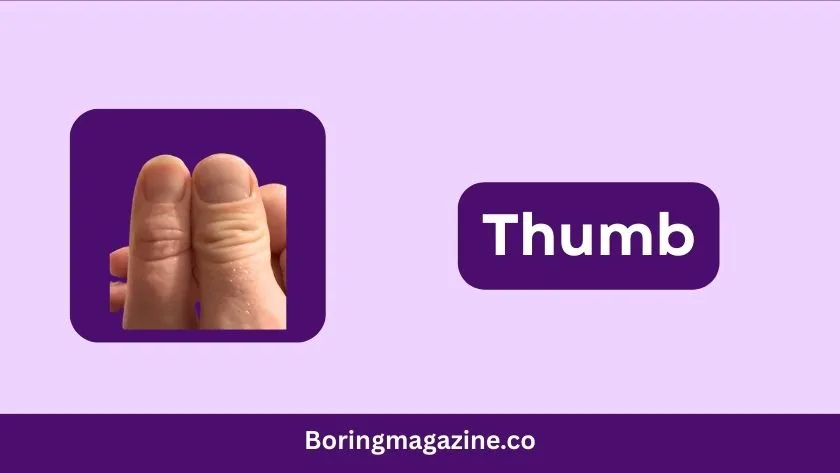
One of the most natural tools that you have just in your hand is your thumb. The size of the uppermost section of most adults is about 1 inch in width. So, it becomes a handy built-in measuring tool.
Whenever you need to measure a tiny wire, screw, or piece of fabric without tools, simply place your thumb on the object, and what covers exactly under your thumbnail’s width is about one inch.
This everyday reference is really helpful in an immediate need, such as making margins when you write on a page or assessing how much space you require to tighten a nut.
Although thumb widths differ a bit by hand size, it’s persistent enough for common household measurement and is considered one of the most useful everyday items for calculating one inch.
A Regular Paperclip
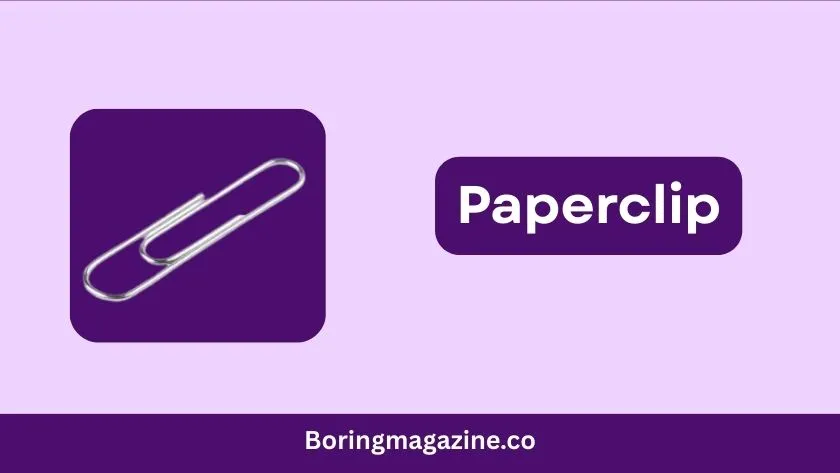
A standard office paperclip (not the large or jumbo one) is one of the common objects to compare when imagining 1 inch. Most tiny paperclips range between 1 and 1.1 inches in length. If you’re working on a desk, just take out a clip to quickly estimate how long one inch actually is.
Paperclips are perfect portable “tiny rulers.” If you want to measure a small item such as jewelry, a buttonhole, or wire length, you can just put it next to a paperclip. Because such objects are
constructed in consistent sizes, they offer amazingly perfect visual hints wherever you are. It is importantly helpful for students, office workers, and crafters.
A U.S. Quarter or 5-Rupee Coin
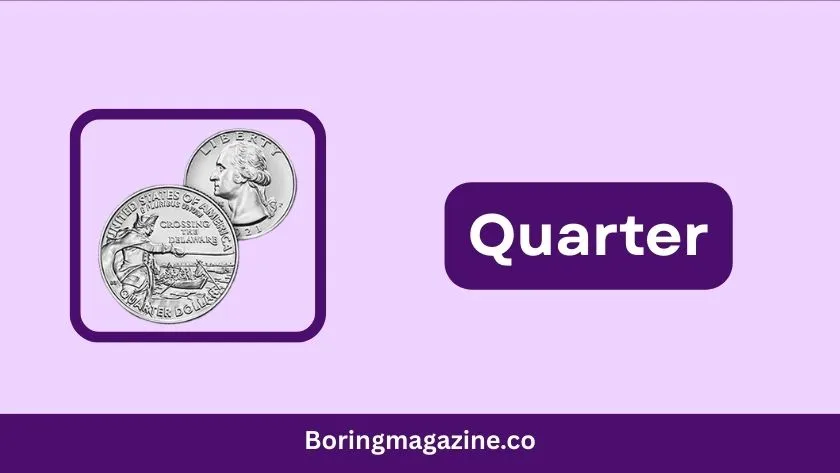
Coins are universal measuring buddies. The diameter of a U.S. quarter or a 5-rupee coin is about 0.95–1 inch, making them almost perfect for measuring 1 inch. Whenever you want to know about how big a thing is, like a button, earring, or screw head, just match it to a coin’s width for a quick result.
You’ll almost always carry coins with you, whether you’re shopping, traveling, or at home. So, this everyday usable object becomes one of the best references for comparing 1 inch size.
Coins are strong, portable, and uniform in shape; they’re ideal for anyone trying to learn immediate visual measuring ways.
A Shirt Button
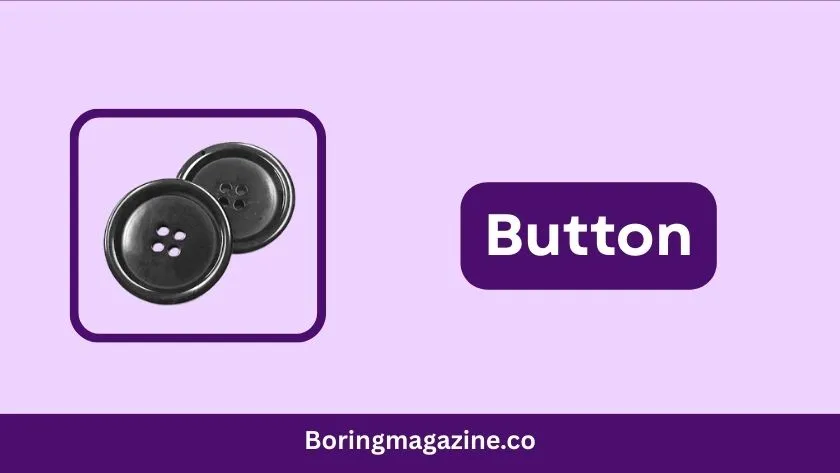
A regular shirt button is one more everyday item that nearly matches the 1-inch mark. The diameter of buttons on dress shirts and blouses is around an inch. In the future, when shopping online for clothes and getting size details in inches, imagine a shirt button that is only 1 inch in diameter.
In daily routine, buttons are convenient when working on stitching, crafting, or tailoring projects. You can put one facing your fabric border to check for exact fabric tacks or spacing. Because these tiny objects are so constant in size, they serve as a reliable everyday item for calculating one-inch distances when you don’t have other tools.
Cap of a Plastic Bottle

The cap of almost every water bottle or soft-drink cap is close to 1 inch in size. If you’re trying to imagine 1 inch, get any soft drink nearby; the diameter of the cap gives you a quick comparison. It’s an ideal handy tool for measurement when you’re traveling or outdoors and don’t have any other measuring items, such as paperclips or rulers.
Bottle caps are usually helpful as they represent spherical measurements. Whether you’re measuring the cable width, the thickness of a tubing piece, or the distance between two gaps, this small everyday object gives a dependable reference for the 1-inch size.
The Upper Joint of Your Index Finger
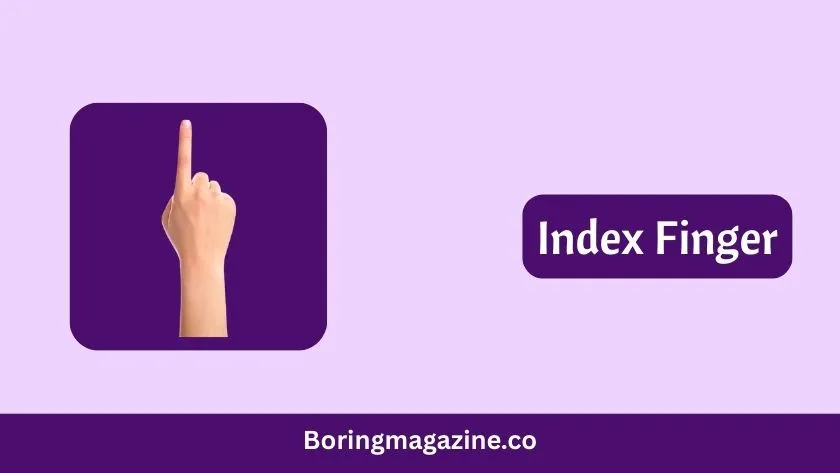
The size of the top joint of the index finger (from knuckle to fingertip) of most adults is roughly one inch. You can use this part of your hand for an immediate measurement guide in almost any situation; there’s no need for the tools. Whether you’re marking space on wood, cutting wires, or matching product sizes, your finger provides you with a quick, visual alternative.
With this quick body-based trick, you can check tiny lengths when traveling, crafting at home, or packaging gifts. Because you will always have your finger, it’s one of the most approachable objects for measuring at the spot without a ruler.
USB Connector Plug
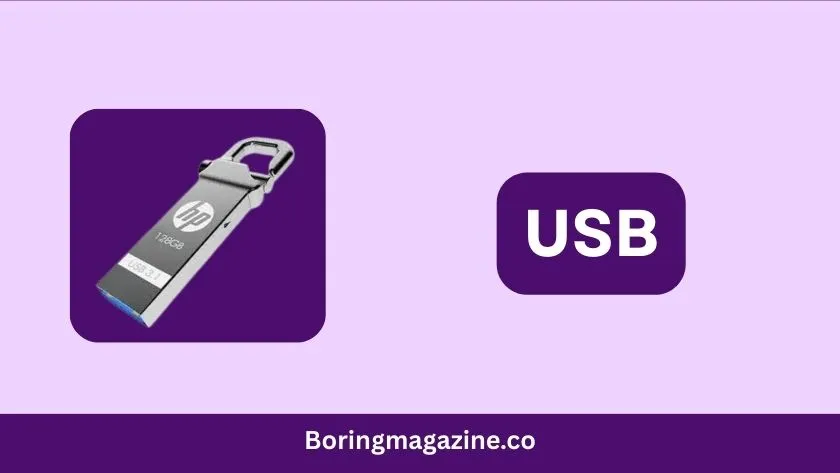
The size of a regular USB-A plug (the metal section that attaches to your PC, Laptop, or charger) is about exactly 1 inch in length. This becomes one of the modern everyday objects for perfect references while imagining a one-inch. In this era, almost everyone has a USB. Just take a look at its plug to visualize how long one inch can actually be.
This tiny tech object is perfect for immediate everyday measurement. For example, if you’re measuring the size of a small object, a phone cover border, or another phone accessory online, imagine the USB connector part. It’s a very common everyday object that you carry or see daily.
The Border of a House Key

The flat upper part of a regular house key (where you hold it) is normally around 1 inch wide. That makes it a remarkably convenient option to measure small lengths. Whenever you need to measure an object outside of your house, your keys will serve as your instant pocket measuring tool.
Keys are particularly handy for sizing tiny gaps, the width of surfaces, or screw heads, while repairing something. Because their proportions are pretty standard globally, this tiny, metal, everyday object provides a reliable, practical meaning of 1 inch length on the move.
Two Stacked Coins
If you pile two thick coins, for example, 5-rupee coins, U.S. quarters, or £1 coins, you’ll get a total height of nearly 1 inch. In this way, you get a quick idea to imagine vertical length, not only horizontal. It’s best for measuring height, width, or depth, such as measuring the border of a box or a tiny tool piece.
You can use this simple piling trick anytime you have a change in your purse or pocket. By positioning coins vertically, you guide your eye to see 1 inch height precisely. It’s one of the simplest and most portable methods to measure without a measuring tool.
A Lipstick Tube

The diameter of most lipstick tubes or lip balms is near to 1 inch. This everyday object is perfect to measure spherical or cylindrical objects when you’re traveling. When you’re buying small cases, pearls, or accessories online, consider the round bottom of a lipstick tube to grasp what 1 inch looks like.
Most of the lipsticks are of constant size and shape; they’re great for measuring short distances or widths. They’re specifically useful for women or workers in the cosmetic industry, offering a simple, portable measuring tool hidden as an everyday beauty object.
A Game Dice
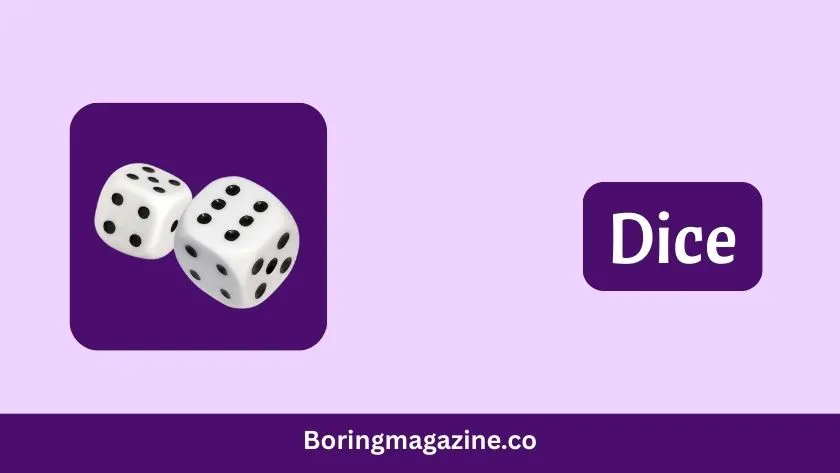
The size of a regular gaming dice used in board games is roughly 1 inch on either side. That means each border of the dice perfectly portrays one inch, providing you with a perfect three-dimensional reference of the measurement.
You can use a dice to gauge both cubic and linear space, ideal for packaging, craft projects, or tiny 3D objects. As dice are ordinary household items, you can find them easily and use them as a temporary measuring cube.
A AAA Battery
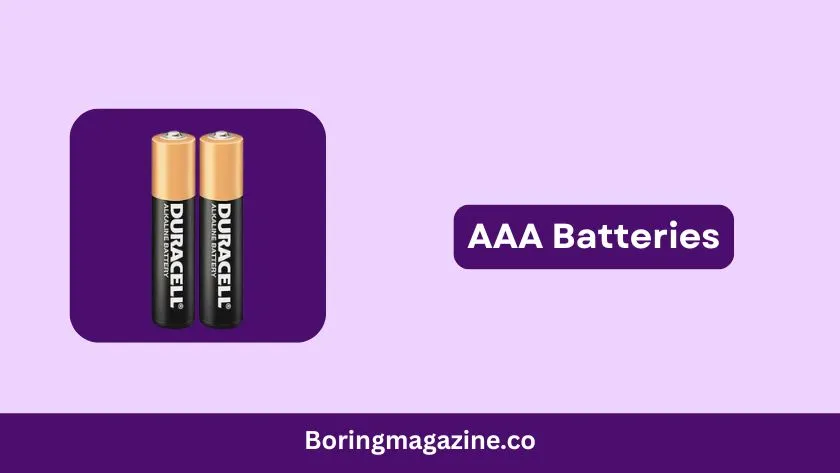
The size of a AAA battery is about 1.75 inches in length and 0.4 inches in diameter, so if you take half its length, that’s about one inch. Batteries are the everyday objects that are almost always nearby, making them a realistic, quick-measuring item when you don’t have a ruler.
This everyday object is really useful for measuring the size of cables, tiny gadgets, or hardware items. Batteries are ready-made and standardized, so when you learn their dimensions, they become an instant tool for size measurement.
Tip
By remembering just a few everyday objects, such as your thumb, lipstick tube, a coin, a bottle cap, or a USB plug, it’ll never be difficult for you to imagine 1 inch again. These routine items make measuring without tools simple, precise, and insightful anywhere you are.
How to Measure 1 Inch Without a Ruler
The measuring tools won’t always be available to you at hand. Here are easy, tool-free tricks to calculate 1 inch accurately:
- Thumb Trick: The top knuckle of your thumb is 1 inch.
- Credit Card Trick: The width of a normal card is 3.37 inches, and one-third of it is around 1 inch.
- Smartphone Trick: The width of most phones is 2.5–3 inches; picture dividing the screen into three equal sections, and one section will be one inch.
- Coin pile: The stack of two quarters or 5-rupee coins is 1 inch tall.
- Pencil Width: Most wooden pencils are 1 inch in perimeter.
Next time you’re bustling, try one of the above tricks to measure an inch quickly.
When moving to larger sizes, you can apply the same rule, such as measuring how long 1.5 inches.
1 Inch in Real-Life Situations
Where does one inch actually matter? More places than you think:
Repairs & DIY
Bolt placement, hinge placement, and tile adjustment usually depend on 1-inch raises. Even a minor miscalculation disturbs balance or symmetry.
Online Shopping
It may seem odd, but if you have an idea about how long an inch is, it will be really helpful in your online shopping. The size of the Cables, Earrings, phone cases, and kitchen tools is listed in inches. Learning how big 1 inch really is prevents buying the wrong product.
Fashion & Tailoring
Buttons, seams, and hems mostly require an accurate inch allowance. Being able to estimate it visually is important in stitching or crafts.
Travel & Organization
Carry-on baggage, camera lenses, and toiletry bottles often mention dimensions in inches. An accurate mental image helps you pack cleverly and avoid airport surprises.
When you move on to 1.5-inch sizes or 2-inch measurements, you’ll notice how these similar situations extend in practical ways.
Quick Facts About Inches
- The inch was formally standardized to precisely 2.54 cm in 1959 by international contract.
- The word inch originates from Latin uncia, meaning one-twelfth, as there are 12 inches in a foot.
- Televisions, Computer screens, and tires are still measured in inches globally.
- In the prehistoric era, an inch was specified as the width of a man’s thumb, and it still works today!
Frequently Asked Questions
How Long is 1 Inch?
1 inch equals 2.54 centimeters.
How can I measure 1 inch without a ruler?
Use routine everyday items, such as a bottle cap, a paperclip, or your thumb’s width. Any of these items is near enough to 1 inch in length.
How to measure 1 inch in everyday objects?
The width of your thumb or the size of a 5 rupee coin is 1 inch.
What are examples of everyday objects that are 1 inch?
Coins, key heads, shirt buttons, lipstick tubes, and USB plugs are all about 1 inch in size.
How many millimeters are in 1 inch?
There are 25.4 millimeters in 1 inch.
What does 1 inch look like on a screen?
On most laptop or phone screens, 1 inch is roughly the thickness of a coin or the distance between two keys on your keyboard.
Why is knowing 1 inch important?
Learning 1 inch size helps you match and measure objects quickly, whether you’re doing home repairs, shopping online, or estimating space without a ruler.
Conclusion
Now you can easily imagine how long 1 inch really is, not only as a number, but as something physical. You’ve observed what 1 inch looks like, learned how to measure 1 inch without tools, and found where it matters in practical life.
Now that you know how to visualize 1 inch clearly, you can guide your eye ahead, observe 1.5-inch objects in routine life, or notice 2-inch items to have a sharp sense of real-world measurements.
The more you learn, the better your natural measuring wisdom becomes. Tag this series, your definitive resource for immediate, graphical, and functional size comparisons!